
Why system 2
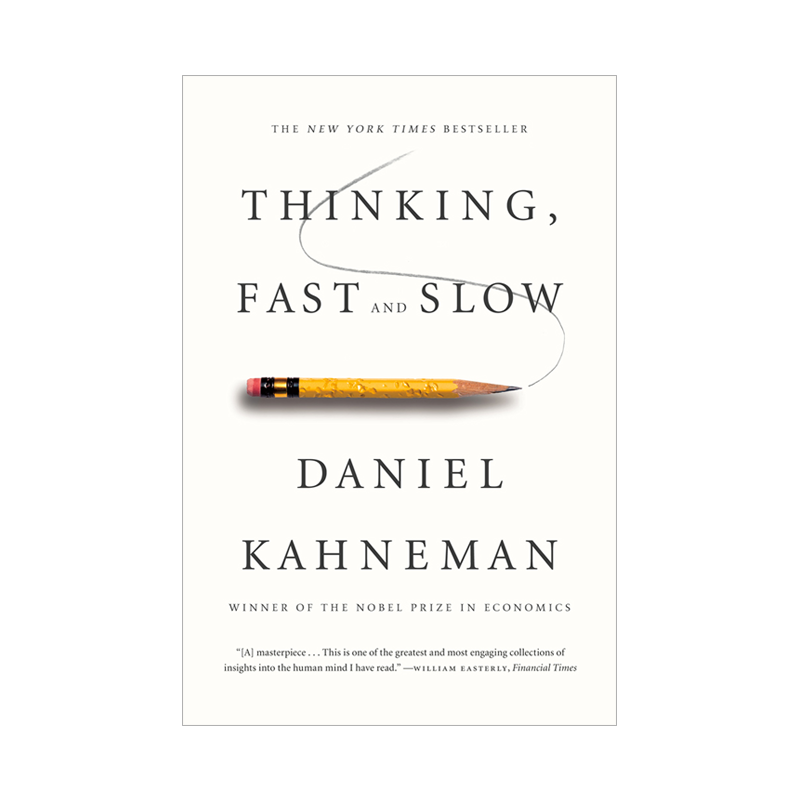
Daniel Kahneman (1934–2024) was a psychologist, Nobel Prize laureate in Economics, a pioneer of behavioral economics, and the author of Thinking, Fast and Slow, in which he describes two modes of brain functioning.
System 1
It is fast, always active, operates automatically, and requires very little effort—it helps us function on “autopilot.” Its less noble trait is that it can lead us to biased judgments or irrational decisions.
System 2
It is slow, systematic, and disciplined, but it requires effort. When we activate it, we experience discomfort and expend a lot of energy, yet it helps us arrive at less biased judgments and more reasonable decisions.
Where does this wonderful and universal concept intersect with communication?
We all know how to speak—this belongs to System 1. Some people are born with a talent that makes them pleasant and engaging to listen to. However, this does not necessarily mean they communicate the right content or deliver it in the most effective way.
That is the domain of System 2.
The best communicators do not rely on talent alone. Their interactions are grounded in systematic reflection on who is on the other side, disciplined creation of relevant messages, and the deliberate use of techniques that help them build a stronger connection with their audience. The process is demanding, but the results are rewarding.